The Correlation Between Antibiotic Consumption and Vaginal Candidiasis
- ayda kazemi
- Article
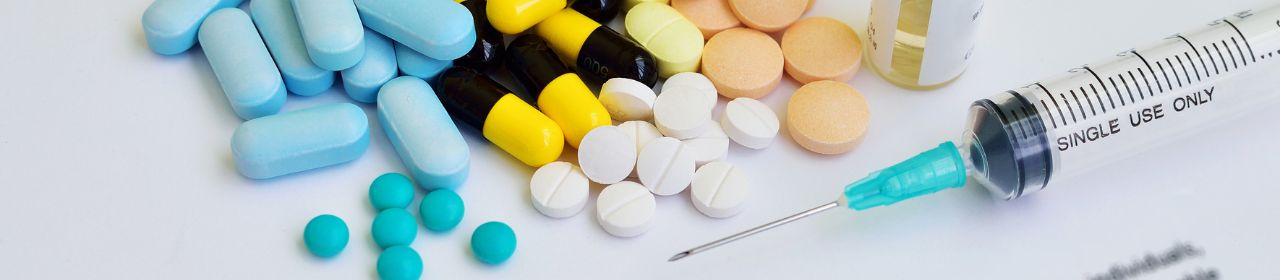
Vaginal Candidiasis (yeast infection) is among the most prevalent gynecological concerns globally. Statistical data indicates that three out of four women will experience at least one episode in their lifetime. This condition arises from the opportunistic overgrowth of the fungus Candida albicans within the vaginal environment. A critical predisposing factor is the indiscriminate use of antibiotics, which severely disrupts the vaginal microbial equilibrium.
When antibiotics are administered, they non-selectively target both pathogenic and beneficial bacteria (Lactobacillus). The depletion of these protective microorganisms facilitates fungal proliferation, leading to clinical infection.
Clinical Manifestations
symptoms:
-
Acute pruritus (itching) and burning sensations.
-
Thick, white, “curd-like” (cottage cheese) discharge.
-
درد هنگام نزدیکی
-
Dysuria (painful or burning urination).
-
Vulvovaginal erythema and inflammation.
The hallmark symptoms often exacerbate or initiate following a course of antibiotic therapy:
Mechanisms: How Antibiotics Trigger Infection
1. Disruption of Microbial Homeostasis The vaginal ecosystem relies on beneficial bacteria (Lactobacilli) to maintain an acidic pH, which naturally inhibits fungal growth. Antibiotics eradicate these populations, creating a biological vacuum that Candida exploits.
2. Immunological Suppression Research from MIT and Harvard suggests that certain antibiotics may:
Diminish the functional capacity of immune cells, particularly macrophages.
Disrupt cellular respiration within the immune system.
Impair the host’s innate ability to combat fungal pathogens. In these contexts, antibiotics may paradoxically compromise the body’s defensive integrity.
Homeostasis The vaginal ecosystem relies on beneficial bacteria (Lactobacilli) to maintain an acidic pH, which naturally inhibits fungal growth. Antibiotics eradicate these populations, creating a biological vacuum that Candida exploits.
2. Immunological Suppression Research from MIT and Harvard suggests that certain antibiotics may:
Diminish the functional capacity of immune cells, particularly macrophages.
Disrupt cellular respiration within the immune system.
Impair the host’s innate ability to combat fungal pathogens. In these contexts, antibiotics may paradoxically compromise the body’s defensive integrity.
2. Immunological Suppression
Research from MIT and Harvard suggests that certain antibiotics may:
-
Diminish the functional capacity of immune cells, particularly macrophages.
-
Disrupt cellular respiration within the immune system.
-
Impair the host’s innate ability to combat fungal pathogens.
In these contexts, antibiotics may paradoxically compromise the body’s defensive integrity.
3. Alteration of Cellular Metabolites
Studies conducted by the Wyss and Broad Institutes demonstrate that antibiotics
-
alter the metabolites released by immune cells.
-
These biochemical shifts negatively impact the efficacy of the cellular response against both bacterial and fungal invaders.
Scientific Evidence and Metabolic Impact
In a controlled study involving E. coli infection treated with Ciprofloxacin results indicated that
-
the antibiotic has a direct impact on host tissues.
-
This suggests that the link between antibiotics and
-
vaginal yeast infections is not merely microbial
but is also driven by altered immune cell metabolism and reduced defensive vigor.
The Critical Situation of Antibiotic Misuse in Iran
Current reports
-
highlight a concerning trend:
Antibiotic consumption in Iran is sixteen times higher than global standards. -
National consumption levels nearly equate to that of the entire European continent.
This excessive usage leads to a dramatic surge in recurrent
-
vaginal candidiasis,
-
antimicrobial resistance (AMR),
-
and increasingly complex, refractory treatment cycles.
Preventative Strategies
Prescription-Only Use:
Avoid self-medicating for viral infections like the common cold, influenza, or sore throats.
Antibiogram Testing:
Identification of specific pathogens through laboratory testing ensures targeted and effective therapy.
Adherence to Treatment Cycles:
Premature cessation of antibiotics is a primary driver of recurrent infections.
Probiotic Supplementation:
Oral or vaginal probiotics (and fermented products like yogurt) help restore the microbial balance.
Immune Support:
Prioritizing adequate sleep, balanced nutrition, and stress management to maintain systemic resilience.
Conclusion
The causal link between antibiotic therapy and vaginal candidiasis is well-established. By eliminating protective flora and modulating the immune response, these drugs create a permissive environment for fungal overgrowth. Given the exceptionally high rate of antibiotic use in Iran, rational prescribing and public awareness are imperative. Adhering to clinical protocols, utilizing antibiograms, and completing therapeutic regimens are essential steps in preventing the recurrence of these infections.